The Importance of Eye and Ear Protection in Matches
In competitive sports and recreational activities involving matches—whether in shooting, archery, paintball, or other disciplines—the safety of participants is paramount. Among the various safety considerations, protecting one’s eyes and ears stands out as crucial. These sensory organs are not only vital for performance but also vulnerable to injury from environmental hazards and equipment used during matches. This article delves into why eye and ear protection is indispensable, supported by data, real-world examples, and best practices to ensure a safe and enjoyable experience.
Understanding the Risks: Why Eyes and Ears Are Vulnerable
Before exploring protective measures, it is essential to understand the specific risks that make eye and ear protection necessary during matches.
Eye Hazards in Competitive Matches
The eyes are delicate organs susceptible to a variety of injuries in match settings. Common hazards include:
- Flying Debris: In shooting sports or paintball, small particles such as bullet fragments, paintballs, or dust can cause serious eye injuries.
- Impact Injuries: Projectiles traveling at high speeds can cause blunt trauma or penetrating injuries.
- Bright Flashes and Glare: The sudden flash of a muzzle or bright sunlight reflecting off surfaces can temporarily impair vision.
A study by the American Academy of Ophthalmology highlights that over 2,000 eye injuries occur each day in the United States alone related to sports activities. Of these, many are preventable through proper protective eyewear.
Ear Hazards: Noise-Induced Hearing Loss and Beyond
The ears face significant risks primarily from loud noises common in many types of matches:
- Noise-Induced Hearing Loss (NIHL): Exposure to sounds above 85 decibels (dB) for prolonged periods can damage hearing. Firearms often produce noise levels exceeding 140 dB.
- Tinnitus: Persistent ringing or buzzing in the ears caused by exposure to loud noises.
- Balance Issues: Inner ear trauma can affect equilibrium and spatial orientation.
The Centers for Disease Control and Prevention (CDC) reports that approximately 15% of American adults aged 20-69 have hearing loss related to noise exposure. In shooting sports alone, improper ear protection significantly increases this risk.
The Critical Role of Eye Protection in Matches
Eye protection isn’t just about avoiding pain or discomfort—it’s about preserving long-term vision health. Let’s explore how appropriate eyewear contributes to safety in competitive environments.
The Types of Protective Eyewear
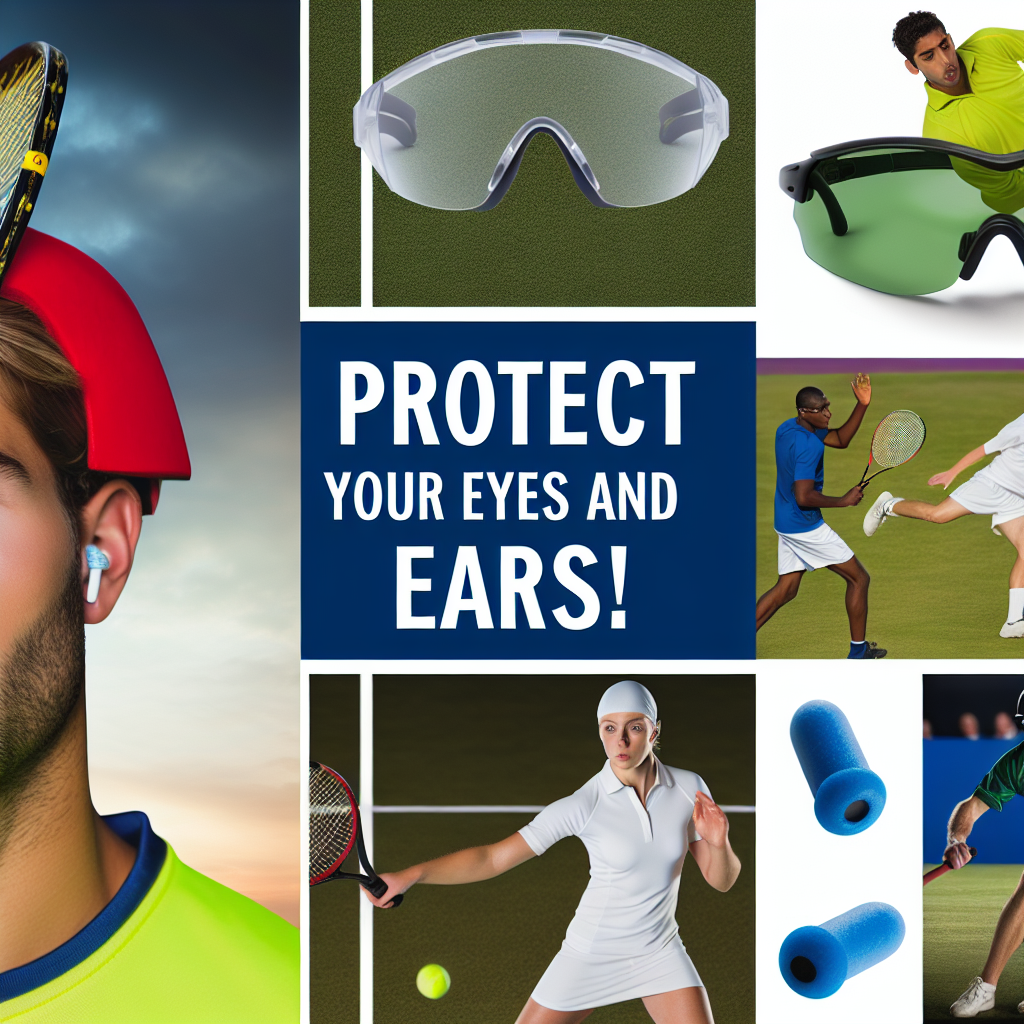
A variety of options exist depending on the sport and level of risk:
- Shooting Glasses: Designed with impact-resistant lenses made from polycarbonate or similar materials that can withstand bullet fragments or debris at high velocities.
- Goggles: Often used in paintball or airsoft to provide full coverage around the eyes to prevent splatter from paintballs or BB pellets.
- Sunglasses with UV Protection: Protect against harmful ultraviolet rays during outdoor matches while reducing glare for better visibility.
The National Eye Institute recommends using ANSI Z87.1 certified eyewear during sports activities involving projectiles to ensure maximum protection standards are met.
Case Study: Impact of Protective Eyewear in Shooting Sports
A study published in the Journal of Trauma & Acute Care Surgery analyzed over 1,000 reported injuries from firearms-related accidents. It found that shooters wearing certified protective glasses had a 70% lower chance of sustaining eye injuries compared to those without any eye protection.
This data underscores not only how effective protective eyewear is but also how its absence can lead to severe consequences such as corneal abrasions, retinal detachment, or even permanent blindness.
The Vital Importance of Ear Protection During Matches
Loud noise exposure remains one of the most overlooked dangers during matches involving firearms or other noisy equipment. Understanding the benefits of ear protection is key to preventing irreversible damage.
Common Types of Ear Protection Devices
- Earmuffs: Cover the entire ear and reduce ambient noise by up to 30 dB. Ideal for consistent use during prolonged events.
- Earpieces/Earplugs: Inserted into the ear canal; they come in disposable foam variants as well as custom-molded designs providing tailored fit and comfort with similar noise reduction capabilities.
- Electronic Hearing Protectors: These advanced devices allow normal conversation while automatically suppressing loud noises like gunshots through digital sound processing technology.
The Science Behind Noise-Induced Hearing Loss
Loud noises cause microscopic damage to hair cells inside the cochlea—the sensory organ responsible for converting sound waves into electrical signals for the brain. Unlike other cells in the body, these hair cells do not regenerate once destroyed, leading to permanent hearing loss over time with repeated exposure.
A single gunshot can reach peak sound levels between 140-170 dB—well above safe thresholds. Without ear protection, repeated exposure significantly increases risk for both immediate damage and long-term auditory decline.
Protecting your hearing and vision during matches is essential for long-term health and performance. Invest in quality protective gear to ensure safety on the field.