How Gun Laws Impact Firearm Insurance Requirements
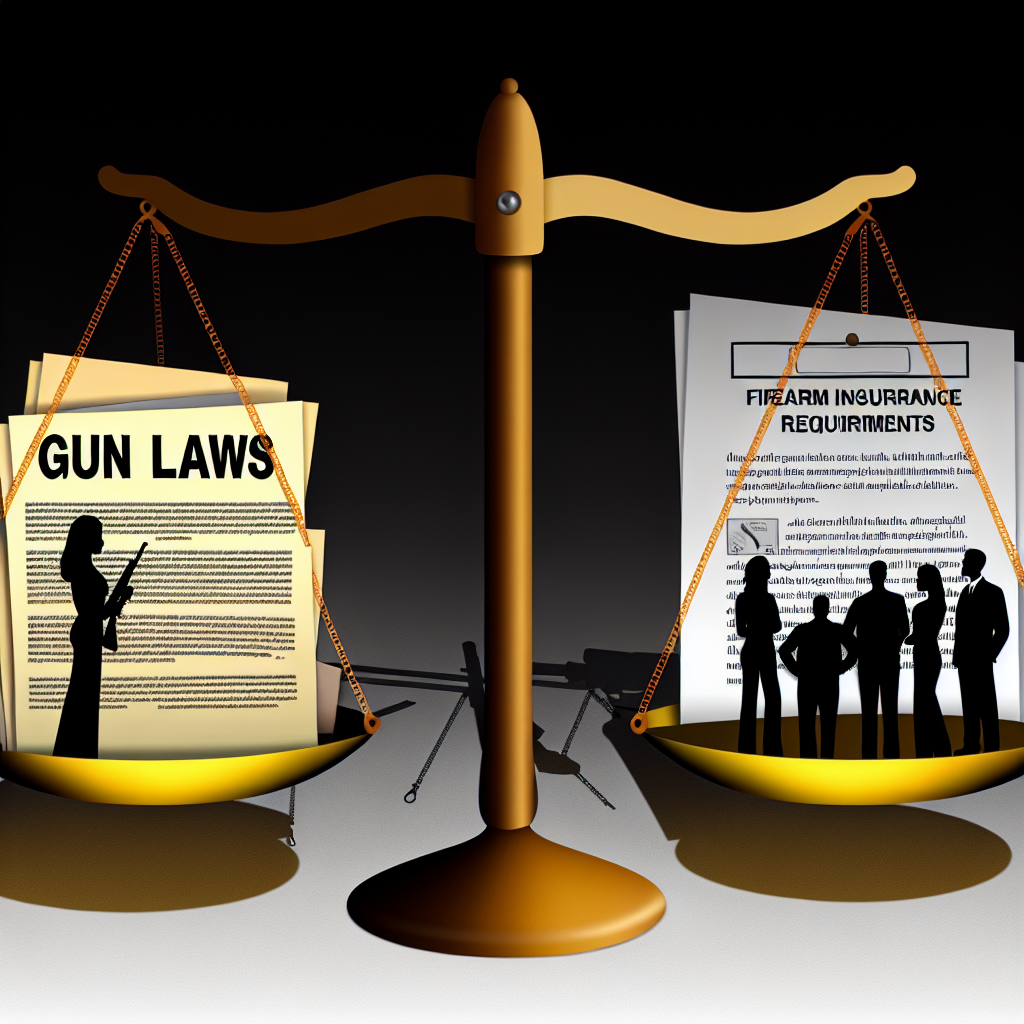
The intersection of gun laws and firearm insurance requirements is a complex and evolving topic in the United States and around the world. As governments seek to balance public safety with individual rights, regulations concerning firearms have become increasingly nuanced. These regulations directly influence the landscape of firearm insurance, shaping who must obtain coverage, what kind of coverage is required, and how insurers assess risk.
This article explores how various gun laws impact firearm insurance requirements, providing insights into the regulatory environment, real-world examples, and the implications for gun owners and insurers alike.
Understanding the Relationship Between Gun Laws and Firearm Insurance
Gun laws are legislative measures designed to regulate the manufacture, sale, possession, and use of firearms. These laws vary significantly across jurisdictions—ranging from very permissive to highly restrictive. Firearm insurance, meanwhile, is a form of liability coverage that protects gun owners against financial loss arising from accidents or misuse of their firearms.
The relationship between these two areas is inherently linked. Stricter gun laws often lead to increased demand for insurance or even mandatory insurance requirements as a means to mitigate risks associated with firearm ownership. Conversely, more lenient laws may reduce regulatory pressure but can also increase liability exposure for gun owners.
- Gun laws set the legal framework for firearm ownership and use.
- Insurance acts as a financial safeguard against liabilities stemming from firearm incidents.
- Changes in legislation can directly alter insurance mandates and coverage specifics.
The Evolution of Gun Laws Influencing Insurance Mandates
Over the past few decades, several jurisdictions have enacted new or amended existing gun laws that have influenced firearm insurance requirements. One notable trend has been the introduction of mandatory liability insurance for gun owners in certain areas.
Case Study: California’s Efforts Toward Mandatory Firearm Liability Insurance
California has been at the forefront of regulating firearms with some of the strictest laws in the U.S. In recent years, lawmakers proposed bills requiring all gun owners to carry liability insurance covering damages caused by their firearms. Although these bills faced significant opposition and have not yet been enacted into law statewide, they illustrate a growing recognition of firearm insurance as a tool for public safety.
- The proposed legislation aimed to reduce gun-related accidents by incentivizing responsible ownership through financial accountability.
- Insurance companies would assess risk based on factors like criminal background checks, storage practices, and training completion.
- This approach mirrors automobile insurance systems where mandatory coverage is linked directly to legal driving privileges.
International Examples:
Some countries have long-standing regulations requiring gun owners to maintain liability insurance:
- Switzerland: Mandatory firearm liability insurance is required as part of gun ownership licenses.
- Germany: Firearm owners must demonstrate sufficient financial responsibility through insurance or other means before obtaining a license.
These international models show how comprehensive regulation can integrate insurance requirements effectively into firearm policy frameworks.
Types of Gun Laws That Affect Insurance Requirements
The specific nature of gun laws heavily influences whether firearm insurance becomes necessary and what form it takes. Key categories include:
1. Mandatory Liability Insurance Laws
Some jurisdictions require gun owners to carry liability insurance similar to car owners. This type of law explicitly makes carrying an active policy a legal requirement to possess or carry firearms.
- Aims to provide victims with compensation in case of accidents or misuse.
- Encourages safer handling practices among gun owners due to potential premium adjustments based on behavior.
- Makes legal ownership contingent upon proof of insurance.
2. Safe Storage Regulations
Laws that mandate secure storage of firearms can indirectly influence insurance policies:
- Insurance companies may offer lower premiums for compliance with safe storage rules (e.g., use of trigger locks or safes).
- Lack of compliance could increase premiums or lead to denial of coverage due to higher risk profiles.
3. Background Check and Licensing Requirements
Tighter licensing processes affect insurer underwriting decisions:
- A comprehensive background check lowers risk perception among insurers, potentially reducing premiums.
- Lack of licensing or background checks may result in higher premiums or refusal to insure due to increased liability risks.
4. Assault Weapons Bans and Restrictions on Certain Firearms
Bans on specific types of firearms (e.g., assault rifles) also impact insurance markets:
- If ownership becomes illegal without special permits, insurers may exclude such weapons from coverage altogether.
- This restricts availability and affects pricing for policies covering broader firearm collections including restricted weapons.
The Role of Insurance Companies in Shaping Gun Ownership Behavior
Insurance providers play an important role beyond merely offering policies; they help shape responsible gun ownership through underwriting standards and incentives:
- Risk Assessment: Insurers evaluate applicants based on criminal history, mental health status (where legally permissible), training certifications, and safe storage habits.
-
These factors collectively influence how insurance companies approach firearm coverage, ultimately affecting gun ownership behavior and safety practices among policyholders.
Understanding the interplay between gun laws and insurance can help individuals make informed decisions about firearm ownership and responsibility.