The Definitive Guide to Tactical Firearms Training
Tactical firearms training is a specialized discipline designed to prepare individuals for real-world scenarios that demand precision, speed, and strategic thinking. Whether you are a law enforcement officer, military personnel, private security professional, or an avid firearms enthusiast seeking to improve your skills, understanding the principles and methodologies of tactical training is essential.
This comprehensive guide explores the fundamentals of tactical firearms training, including its importance, core techniques, psychological aspects, and practical applications. Through detailed explanations, relevant case studies, and supporting statistics, readers will gain valuable insights into how to approach this critical form of training effectively.
Understanding Tactical Firearms Training: What Sets It Apart?
Tactical firearms training is distinct from basic shooting practice or recreational target shooting. It emphasizes real-life application under stress and unpredictable conditions. The goal is not merely accuracy but also rapid decision-making, situational awareness, and effective use of cover and movement.
Key characteristics that differentiate tactical firearms training include:
- Scenario-Based Learning: Unlike traditional marksmanship courses that focus on static targets, tactical training involves dynamic scenarios simulating threats such as active shooters or ambushes.
- Stress Inoculation: Trainees learn to maintain composure under pressure through controlled stress environments and timed drills.
- Use of Force Continuum: Instruction covers legal and ethical considerations about when and how to deploy force appropriately.
- Integration with Team Tactics: Emphasis on communication and coordination within units during engagements.
The multifaceted nature of tactical firearms training ensures that participants develop both physical skills and mental resilience necessary for high-stakes situations.
The Core Components of Tactical Firearms Training
Tactical firearms proficiency is built upon several foundational components. Each element plays a crucial role in preparing individuals for operational effectiveness.
1. Marksmanship Fundamentals
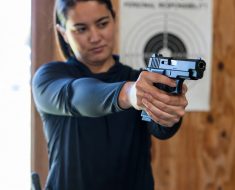
Despite the complexity of tactical engagements, accuracy remains paramount. Proper grip, stance, sight alignment, trigger control, and breathing techniques are drilled extensively. Even elite operators spend countless hours perfecting these basics because they form the foundation for all advanced skills.
2. Movement and Positioning
In tactical environments, staying static can be deadly. Training focuses on moving efficiently while maintaining weapon readiness:
- Cover utilization: Using walls, vehicles, or terrain features to minimize exposure.
- Corners and angles: Techniques for clearing rooms or urban environments safely.
- Shooting on the move: Maintaining accuracy while advancing or retreating.
3. Threat Assessment and Decision Making
Tactical shooters must rapidly identify threats versus non-threats to avoid unnecessary harm. This requires keen situational awareness combined with split-second judgment calls guided by established rules of engagement (ROE).
4. Reloading Drills and Malfunction Clearing
An often overlooked but vital skill is managing firearm malfunctions under pressure. Regular practice in immediate action drills ensures minimal downtime during critical moments.
5. Psychological Conditioning
The mental aspect of tactical firearms training cannot be overstated. Operators face intense stressors—from auditory distractions like gunfire to moral dilemmas about use-of-force decisions. Conditioning through realistic simulations helps build confidence and emotional control.
The Role of Technology and Simulation in Modern Tactical Training
Advancements in technology have revolutionized how tactical firearms training is conducted today. Incorporating simulators and digital tools enhances learning outcomes while reducing risk and cost.
- Virtual Reality (VR) Simulators: VR allows trainees to engage in immersive scenarios replicating urban combat zones or hostage rescues without live ammunition risks. Studies show VR-trained individuals improve reaction times by up to 30% compared to traditional methods (Journal of Law Enforcement Training Research, 2022).
- Laser-Based Dry Fire Systems: These systems provide instant feedback on shot placement during practice sessions at home or indoors without live rounds.
- Ballistic Analytics Software: Data-driven tools track performance metrics such as shot grouping, draw speed, and reload times to tailor individualized training plans.
The integration of technology also supports remote learning opportunities where trainees can access instruction regardless of geographic limitations—a critical advantage during times like the COVID-19 pandemic when in-person sessions were restricted.
Case Studies: Tactical Training in Action
The Success of SWAT Teams Through Rigorous Training
The effectiveness of Special Weapons And Tactics (SWAT) teams worldwide underscores the value of comprehensive tactical firearms training programs. For instance, a study conducted by the FBI following their involvement in high-risk operations revealed that well-trained SWAT units had a success rate exceeding 90% in resolving hostage situations without casualties (FBI Law Enforcement Bulletin, 2020).
This success was attributed not only to superior marksmanship but also mastery of team communication protocols and stress management strategies embedded within their training curricula.
in participation in such courses from 2019 to 2020 alone. This trend highlights the importance of equipping civilians with the skills necessary to respond effectively to threats in their homes.
In conclusion, tactical firearms training is essential not only for law enforcement but also for civilians seeking to enhance their safety and preparedness.