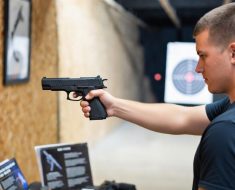
How to Safely Handle a Firearm Malfunction Under Stress
Firearms are powerful tools that require respect, knowledge, and calm handling—especially when things go wrong. One of the most critical moments a shooter can face is a firearm malfunction during a high-stress situation. Whether you’re on the range, in self-defense, or participating in law enforcement or military operations, knowing how to safely and effectively handle a firearm malfunction under pressure can be the difference between life and death.
This article explores the nature of firearm malfunctions, why they happen, how stress affects your response, and practical techniques to regain control safely. We’ll also examine real-world examples and statistics to highlight the importance of preparation.
Understanding Firearm Malfunctions: Types and Causes
Before diving into how to handle malfunctions, it’s essential to understand what they are and why they occur. Firearm malfunctions refer to any failure in the normal operation of the weapon during firing.
- Types of Malfunctions:
- Failure to Feed: The next round does not properly enter the chamber.
- Failure to Fire: The trigger is pulled, but the round does not discharge (also called a misfire or dud).
- Failure to Extract: The spent cartridge case remains stuck in the chamber after firing.
- Failure to Eject (Stovepipe): The spent case partially ejects and gets caught in the ejection port.
- Double Feed: Two rounds attempt to enter the chamber simultaneously, jamming the firearm.
- Common Causes:
- Poor maintenance or dirty firearms leading to mechanical issues.
- Faulty or low-quality ammunition causing misfires or feeding problems.
- User error such as improper grip or limp-wristing affecting cycling.
- Worn or damaged parts within the firearm mechanism.
- External environmental factors like dirt, sand, or moisture intrusion.
A study by the U.S. Army Research Laboratory found that approximately 85% of firearm malfunctions are caused by improper ammunition or user-related errors rather than mechanical defects. This statistic underscores how critical proper training and maintenance are for minimizing malfunctions.
The Impact of Stress on Handling Malfunctions
Stress significantly impairs cognitive function, motor skills, and decision-making ability. When a firearm malfunctions during an emergency—such as self-defense or combat—the natural fight-or-flight response triggers adrenaline surges that can cause tunnel vision, increased heart rate, and impaired fine motor control.
A 2017 study published in the Journal of Applied Physiology showed that acute stress reduces working memory capacity by up to 50%, which affects a person’s ability to recall trained procedures under pressure. This means that even well-trained shooters might struggle with recalling step-by-step malfunction clearance techniques when their lives depend on it.
The physiological effects of stress include:
- Tremors and shaky hands making it harder to manipulate small parts of the firearm.
- Diminished situational awareness leading to missed threats or hazards around you.
- Slower reaction times due to cognitive overload.
- Tendency toward panic or freezing instead of taking decisive action.
Understanding these effects highlights why repetitive training under simulated stress conditions is vital for anyone who relies on firearms for protection or duty.
Step-by-Step Procedures for Safely Clearing Common Malfunctions
The best defense against a malfunction is preparation through consistent practice of standardized clearing drills. Below are widely accepted methods for addressing common handgun malfunctions safely under stress. These procedures apply primarily to semi-automatic pistols but can be adapted for other firearms with proper training.
The Immediate Action Drill (“Tap-Rack-Bang”)
This drill is designed for quick clearance of failures to feed or failures to fire (misfires) without fully clearing the weapon from your hand:
- Tap: Use your support hand to tap firmly on the magazine baseplate. This ensures it is seated correctly and not causing feeding issues.
- Rack: With your support hand, pull back sharply on the slide/recoil assembly and release it fully forward. This ejects any faulty cartridge and chambers a fresh round.
- Bang: Return your firing hand grip and attempt another shot if safe and necessary.
This drill works well for many common stoppages but may not clear more severe jams like double feeds or stovepipes requiring additional steps.
The “Tap-Rack-Inspect-Clear” Drill for More Complex Jams
- If immediate action fails after one attempt, keep muzzle pointed downrange and perform these steps carefully:
- Inspect: Lock the slide back manually using your slide stop lever (if applicable) so you can visually inspect the chamber and ejection port for obstructions like stovepipes or double feeds.
- Clear: Remove any stuck cartridges by hand while maintaining
muzzle control and ensuring the firearm is pointed in a safe direction.
Always prioritize safety and practice these drills regularly to build confidence under stress.